The Climb: Bryant University Athletics

Bryant University on rolling out PlayerData across sports and the impact on their athletic depatment.

Bryant University made its move to Division I in 2008. The jump wasn’t just an administrative decision. It was a statement of intent. And in the years since, Bryant has built its athletic program into one of the tops in all of the Northeast.

The story of how they got there runs through the coaches, the weight room, the training facilities, and increasingly, the data.

Multiple Sports. One Platform.

Michael Faria is Bryant's Assistant Sports Performance Coach. He’s one of three performance coaches at Bryant, and they cover all of the sports between them. Faria is on the field almost every day, working directly with Bryant athletes. 

"Overall, we just want to show that our athletic program is one of the best in the country,” Faria says.

When Bryant made the decision to bring PlayerData to their athletic department, the driving force was simple: one platform that could serve multiple programs without multiple headaches.

"I knew that switching to PlayerData would allow us to get more programs on GPS," Faria says.

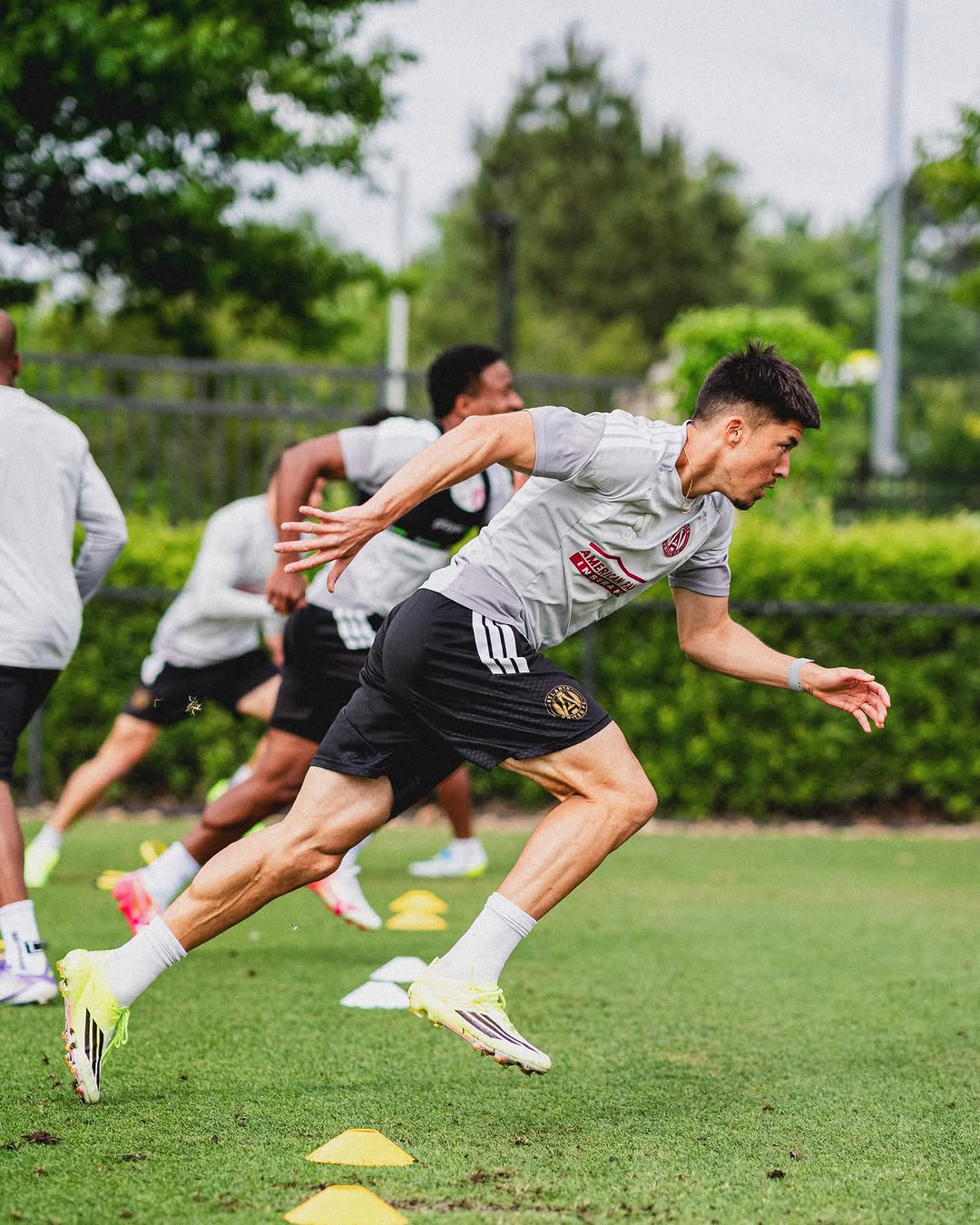
Football, men’s and women’s soccer, men’s and women’s lacrosse, and field hockey are now all running on the same system. Indoor. Outdoor. Same data. Same workflow. Everything connected.
What the Athletes Think

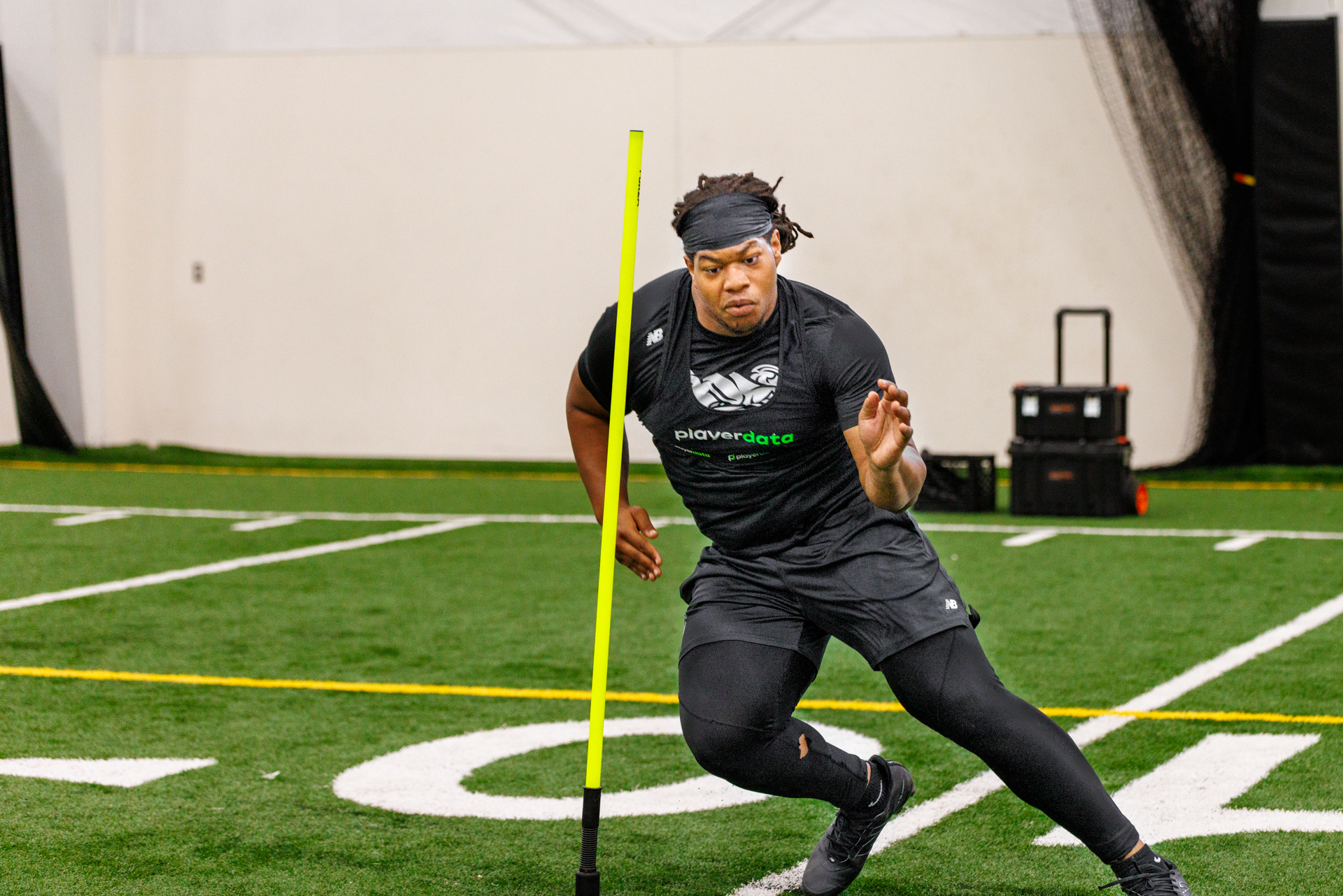
Koby Keenan is a tight end on the Bryant football team. He was introduced to PlayerData in the spring, and his first reaction was immediate.

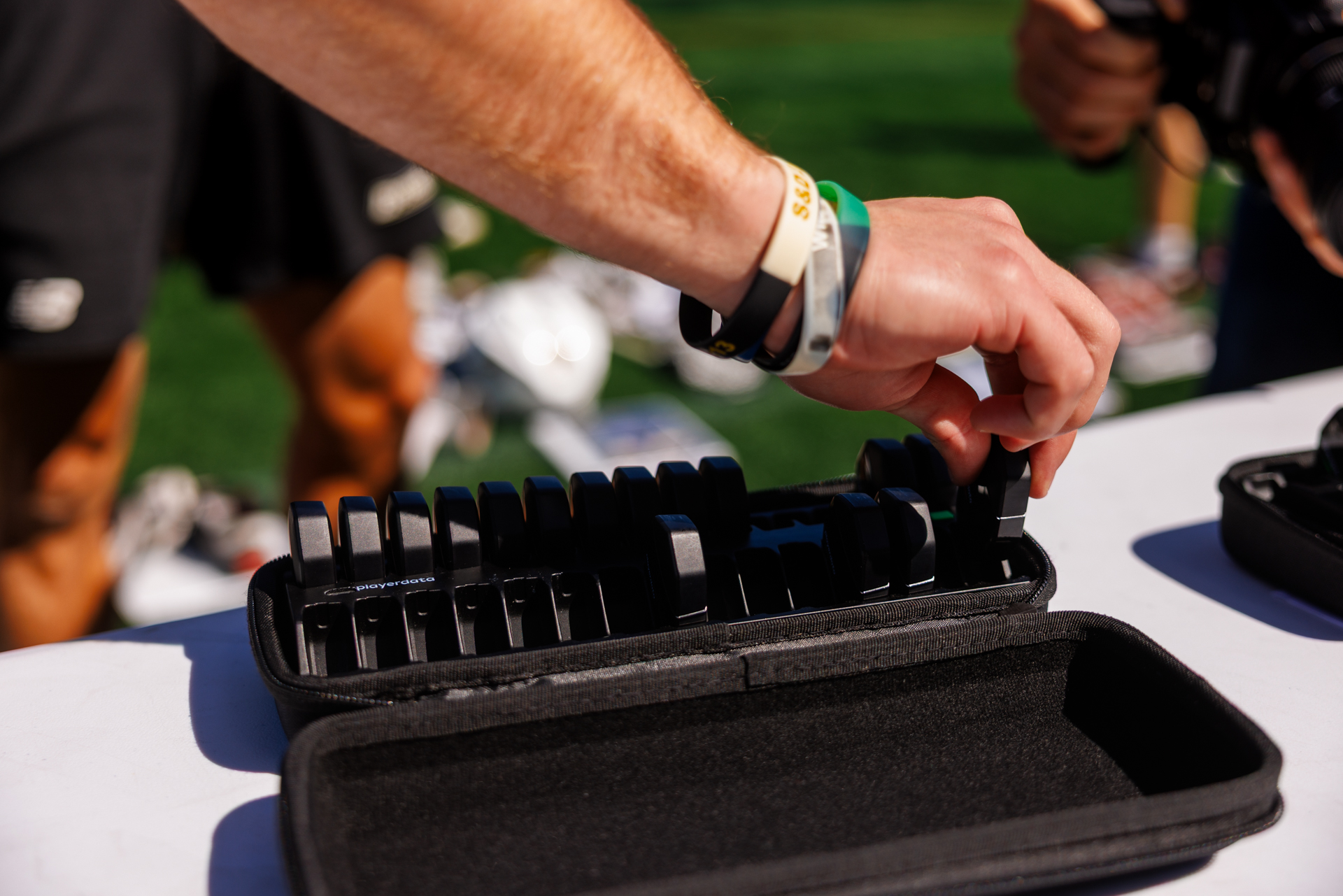
"I'm like, ‘wow, the vest feels good,’" he says. "I love not having to strap the vest in myself. And, I also love the small unit. The small unit is a game changer because whenever you have your pads on, it doesn't push against it and make it bulge out."

For a football player wearing full pads through a long and physically demanding season, that matters more than it might sound. Technology that gets in the way doesn’t get used. Technology that disappears into the workflow does.

Tiernan Lathrop plays midfielder for Bryant Lacrosse, a program he describes as central to who he is.

"Lacrosse is in the family," he says. "To come to play for Bryant University where lacrosse is such a storied program and so significant for the athletic department is truly special."

What he values most about PlayerData is something that separates it from what came before.

"PlayerData is different because it has an app that players can actually use," Lathrop says. "Back in the day, using different products, we would have to go up to a coach and ask them. Now, every day after practice, I'm logging on to the app and checking all my stats, seeing how far I went, how fast I went, how many accelerations. It's a game changer for me just to know where I'm pushing."

Keenan echoes it directly.

"Now, I'm able to pull up the data myself, look at it, see my numbers, see my top speeds, see what I have to improve on myself."

Load Management Is Not Just a Buzzword

One of the most important things GPS data does for a program like Bryant is close the gap between what a coach intends and what actually happens on the field.

"It's one thing for a coach to say 'I want this day to be this level of difficulty,' and then in reality it's something different," Faria says. "PlayerData allows us to match that up for them."

That alignment between intent and reality is where injury prevention happens. Keenan's strength coach, Coach Beach, has built top speed work into the program as a deliberate hamstring protection strategy.

"Coach Beach is really big into hitting your top speeds because you need to do that in order to keep your hamstrings healthy," Keenan says. "We implement it in everything whenever we run, train, whatever it is. Practice, we always have it on."

Lathrop connects the dots from his own experience.

"If you think about it, it's just the word you hear in sports these days is load management a lot of the time. And with technology like PlayerData, it allows you to truly understand what that means."

The Investment Behind the Mission

None of this happens without a university that believes in it.

For Keenan, that institutional belief shows up in how Bryant's athletic department carries itself.

"We definitely get a lot of respect from the administration," he says. "It's just a lot of trust that they put in us to go out there, put our best foot forward, and play for everyone around us."

For Faria, it shows up in what he can actually do for his athletes.

"With the resources that Bryant is putting back into athletics, it's showing that they're valuing what we're doing and seeing that what we're doing is working. And that's just allowing us to grow even more."

The ease of the platform itself has changed what his day-to-day looks like.

"PlayerData has made a lot of my job easier in how easy it is to export it, how quickly and easily we can get the data to coaches, to athletes, between apps," he says. With PlayerData’s cloud-based infrastructure, Faria is able to sync data straight from his phone even if he’s not physically with a team.
What Bryant Is Building

Bryant's move to Division I was a statement. What the athletic department is building now is the proof.

A performance culture that runs across multiple sports on one platform. Athletes who understand their own data and use it to drive their own development. A coaching staff that can match practice design to intention and protect players through demanding seasons.

The technology is not the story. What it makes possible is. 

And at Bryant University, the ceiling keeps moving up.

Interested in learning more about how PlayerData could help your program? Submit your information in the form below.

The Climb: Bryant University Athletics

May 14, 2026
Bryant PlayerData

Bryant University made its move to Division I in 2008. The jump wasn’t just an administrative decision. It was a statement of intent. And in the years since, Bryant has built its athletic program into one of the tops in all of the Northeast.

The story of how they got there runs through the coaches, the weight room, the training facilities, and increasingly, the data.

Multiple Sports. One Platform.

Michael Faria is Bryant's Assistant Sports Performance Coach. He’s one of three performance coaches at Bryant, and they cover all of the sports between them. Faria is on the field almost every day, working directly with Bryant athletes. 

"Overall, we just want to show that our athletic program is one of the best in the country,” Faria says.

When Bryant made the decision to bring PlayerData to their athletic department, the driving force was simple: one platform that could serve multiple programs without multiple headaches.

"I knew that switching to PlayerData would allow us to get more programs on GPS," Faria says.

Football, men’s and women’s soccer, men’s and women’s lacrosse, and field hockey are now all running on the same system. Indoor. Outdoor. Same data. Same workflow. Everything connected.

What the Athletes Think

Koby Keenan is a tight end on the Bryant football team. He was introduced to PlayerData in the spring, and his first reaction was immediate.

"I'm like, ‘wow, the vest feels good,’" he says. "I love not having to strap the vest in myself. And, I also love the small unit. The small unit is a game changer because whenever you have your pads on, it doesn't push against it and make it bulge out."

For a football player wearing full pads through a long and physically demanding season, that matters more than it might sound. Technology that gets in the way doesn’t get used. Technology that disappears into the workflow does.

Tiernan Lathrop plays midfielder for Bryant Lacrosse, a program he describes as central to who he is.

"Lacrosse is in the family," he says. "To come to play for Bryant University where lacrosse is such a storied program and so significant for the athletic department is truly special."

What he values most about PlayerData is something that separates it from what came before.

"PlayerData is different because it has an app that players can actually use," Lathrop says. "Back in the day, using different products, we would have to go up to a coach and ask them. Now, every day after practice, I'm logging on to the app and checking all my stats, seeing how far I went, how fast I went, how many accelerations. It's a game changer for me just to know where I'm pushing."

Keenan echoes it directly.

"Now, I'm able to pull up the data myself, look at it, see my numbers, see my top speeds, see what I have to improve on myself."

Load Management Is Not Just a Buzzword

One of the most important things GPS data does for a program like Bryant is close the gap between what a coach intends and what actually happens on the field.

"It's one thing for a coach to say 'I want this day to be this level of difficulty,' and then in reality it's something different," Faria says. "PlayerData allows us to match that up for them."

That alignment between intent and reality is where injury prevention happens. Keenan's strength coach, Coach Beach, has built top speed work into the program as a deliberate hamstring protection strategy.

"Coach Beach is really big into hitting your top speeds because you need to do that in order to keep your hamstrings healthy," Keenan says. "We implement it in everything whenever we run, train, whatever it is. Practice, we always have it on."

Lathrop connects the dots from his own experience.

"If you think about it, it's just the word you hear in sports these days is load management a lot of the time. And with technology like PlayerData, it allows you to truly understand what that means."

The Investment Behind the Mission

None of this happens without a university that believes in it.

For Keenan, that institutional belief shows up in how Bryant's athletic department carries itself.

"We definitely get a lot of respect from the administration," he says. "It's just a lot of trust that they put in us to go out there, put our best foot forward, and play for everyone around us."

For Faria, it shows up in what he can actually do for his athletes.

"With the resources that Bryant is putting back into athletics, it's showing that they're valuing what we're doing and seeing that what we're doing is working. And that's just allowing us to grow even more."

The ease of the platform itself has changed what his day-to-day looks like.

"PlayerData has made a lot of my job easier in how easy it is to export it, how quickly and easily we can get the data to coaches, to athletes, between apps," he says. With PlayerData’s cloud-based infrastructure, Faria is able to sync data straight from his phone even if he’s not physically with a team.

What Bryant Is Building

Bryant's move to Division I was a statement. What the athletic department is building now is the proof.

A performance culture that runs across multiple sports on one platform. Athletes who understand their own data and use it to drive their own development. A coaching staff that can match practice design to intention and protect players through demanding seasons.

The technology is not the story. What it makes possible is. 

And at Bryant University, the ceiling keeps moving up.

Interested in learning more about how PlayerData could help your program? Submit your information in the form below.