How Ambassador Christian Is Using Data to Pursue Excellence

Lew Stephens, Sports Performance Coordinator at Ambassador Christian School, explains how GPS data shapes training decisions ahead of the program's once-in-a-lifetime trip to play football in Dublin, Ireland.

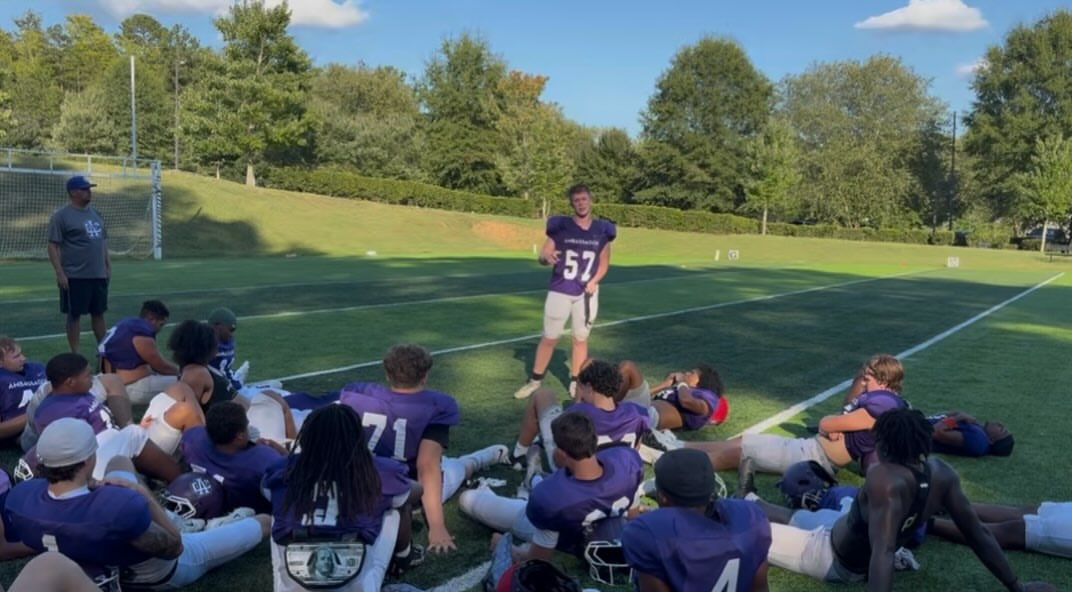
Ambassador Christian School in Huntersville, North Carolina is only three years old, but the bar it holds itself to isn’t new.

"The vision behind the school is to do everything with excellence, both academically and athletically," said Lew Stephens, Sports Performance Coordinator and Running Backs Coach at Ambassador Christian.

That vision extends to how the program prepares its athletes. And this week, it will be tested on a stage unlike anything Ambassador Christian has experienced before.

The Aer Lingus Classic

Ambassador Christian was selected as the North Carolina representative for the Aer Lingus College Football Classic in Dublin, Ireland, a prestigious international showcase featuring a high profile NCAA football game between TCU and North Carolina. The Aer Lingus festivities kick off with a high school game between Ambassador Christian and Grapevine Faith Christian from Texas.

For a school in its third year of existence, the opportunity is remarkable.

"For some of our players, this will be their first time traveling,” Stephens said. "It'll be an unforgettable experience to say that you played a football game in Ireland and got to see a different side of the world."
The Right Tool for the Job

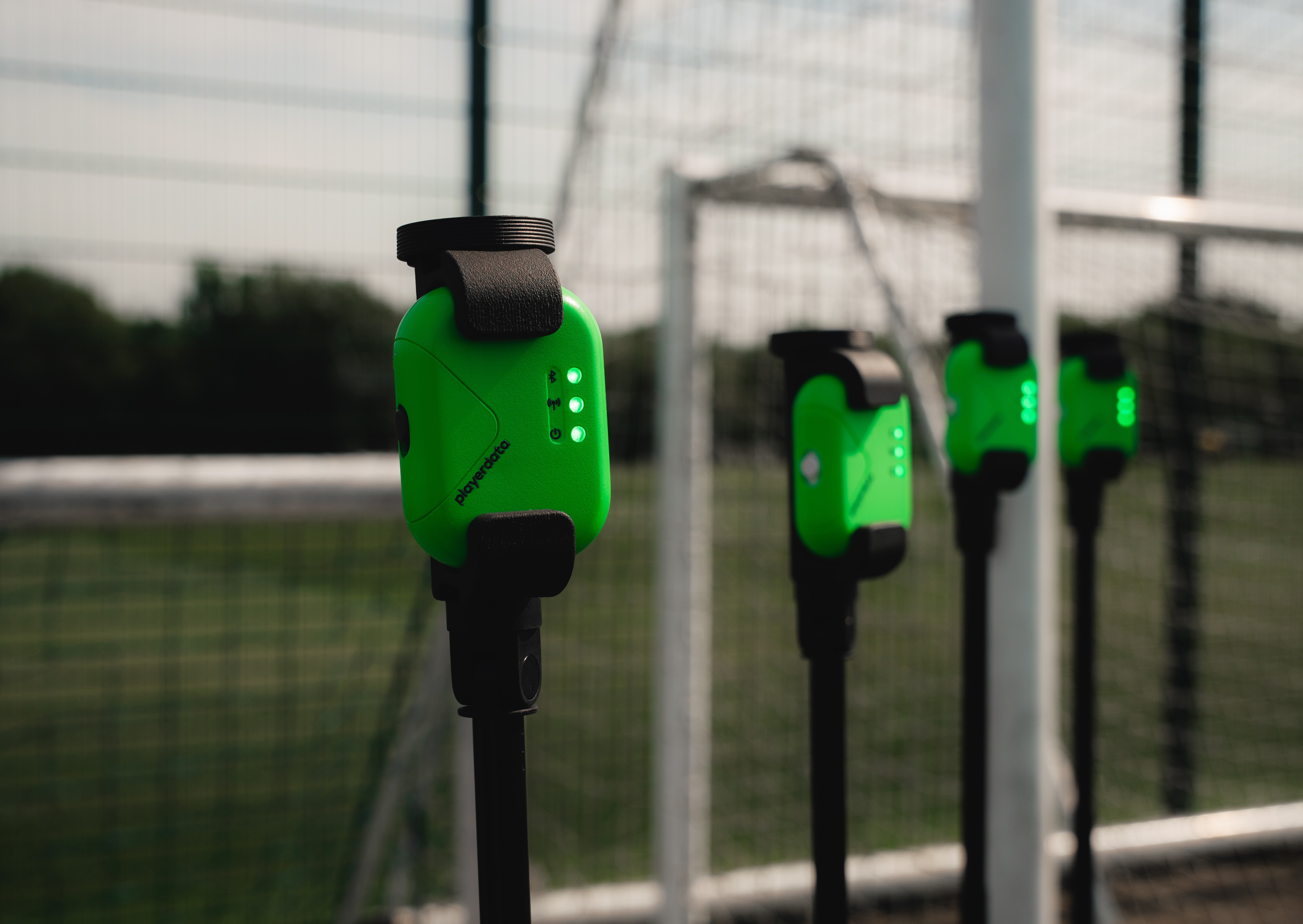
Ambassador Christian had used a different GPS system before making the move to PlayerData. The switch was deliberate. Stephens found PlayerData offered a superior product and overall experience: clean high integrity data, a simpler workflow, and insights he could act on. The transition happened in the spring, with Stephens initially using the units with the track program to get a feel for the system before rolling it fully into football preparation.

The Data Behind the Preparation

Ambassador Christian is not approaching Dublin casually. Every training decision leading up to the trip has been built around objective data, and PlayerData has been at the center of that process.

Ambassador Christian runs a spread offense that puts significant physical demands on its skill players, particularly receivers. Tracking game data gave Stephens exact numbers on what those demands actually look like.

"We've got certain receivers who will cover 300 plus yards at greater than seventy percent sprint distance in a game," Stephens said. "Getting them ready for that is obviously a big deal. It's not something you can just walk out there and expect them to sustain throughout the course of the season without building up that work capacity."

The numbers from a recent game told the story directly. One receiver covered 352 yards of high intensity running while also covering over 8,000 yards in total distance.

"Making sure that we build in some wiggle room in terms of what they were exposed to leading up to the fall, that was a big change for us this year versus last year," Stephens said.

The off-season training plan gets built around those benchmarks, structuring Monday through Thursday with specific physical objectives rather than following a generic practice rhythm.

"Leading up to the fall, on Mondays we're doing a lot more tighter drills where we're doing heavier accelerations and decelerations. Tuesday we'd hit more top-end speed. Wednesday we'd cover more yardages and get more volume. Thursday was purely competition," he said.

Accountability on the Field

The data has also changed how Stephens manages effort in practice. Stephens knows how important it is to hit your top speed throughout the week. In football practice, this often requires dedicated sprint periods, since players don’t break for an extra 30 yard carry after running a route in a drill. When a sprint segment didn’t produce the numbers he expected, he didn’t rely on his eyes alone.

"I posted all of their speeds from practice, and I could objectively say: I had you sprint. You didn't sprint hard enough. And the numbers show it."

He also described a scenario that coaches at every level will recognize, a player whose effort level is harder to read than the data suggests.

"It works both ways too,” Stephens admits. “The way a player carries themselves can be misleading to what you're interpreting as a coach. There’s been times where you might feel like a player isn’t doing as much, and maybe part of that is simply because of their body language or something subjective you perceive as a coach. But there have been times where we have checked the data after, and you see that the kid is doing more and working harder than you thought."

Ready for Ireland

Ambassador Christian’s 25 PlayerData units will travel to Dublin in Stephens' carry-on bag. Practices will be modified to account for the time difference and the short turnaround, Ambassador Christian plays again the Friday after they return.

For a program built on excellence and only three years into its existence, the trip to Ireland is both a reward and a proof of concept.

"Our administration has been awesome to work with in terms of making sure we have the resources to build high-level athletic programs and do things with excellence," Stephens said of the school's leadership.

The data is ready. The team is prepared. Dublin is next.

See what PlayerData can do for your program

Whether you're college program, national team, or building out a prep powerhouse, we'd love to show you what's possible with PlayerData.

Submit your information below to book a demo. We're ready when you are.
How Ambassador Christian Is Using Data to Pursue Excellence

August 25, 2026
Football GPS

Ambassador Christian School in Huntersville, North Carolina is only three years old, but the bar it holds itself to isn’t new.

"The vision behind the school is to do everything with excellence, both academically and athletically," said Lew Stephens, Sports Performance Coordinator and Running Backs Coach at Ambassador Christian.

That vision extends to how the program prepares its athletes. And this week, it will be tested on a stage unlike anything Ambassador Christian has experienced before.

The Aer Lingus Classic

Ambassador Christian was selected as the North Carolina representative for the Aer Lingus College Football Classic in Dublin, Ireland, a prestigious international showcase featuring a high profile NCAA football game between TCU and North Carolina. The Aer Lingus festivities kick off with a high school game between Ambassador Christian and Grapevine Faith Christian from Texas.

For a school in its third year of existence, the opportunity is remarkable.

"For some of our players, this will be their first time traveling,” Stephens said. "It'll be an unforgettable experience to say that you played a football game in Ireland and got to see a different side of the world."

The Right Tool for the Job

Ambassador Christian had used a different GPS system before making the move to PlayerData. The switch was deliberate. Stephens found PlayerData offered a superior product and overall experience: clean high integrity data, a simpler workflow, and insights he could act on. The transition happened in the spring, with Stephens initially using the units with the track program to get a feel for the system before rolling it fully into football preparation.

The Data Behind the Preparation

Ambassador Christian is not approaching Dublin casually. Every training decision leading up to the trip has been built around objective data, and PlayerData has been at the center of that process.

Ambassador Christian runs a spread offense that puts significant physical demands on its skill players, particularly receivers. Tracking game data gave Stephens exact numbers on what those demands actually look like.

"We've got certain receivers who will cover 300 plus yards at greater than seventy percent sprint distance in a game," Stephens said. "Getting them ready for that is obviously a big deal. It's not something you can just walk out there and expect them to sustain throughout the course of the season without building up that work capacity."

The numbers from a recent game told the story directly. One receiver covered 352 yards of high intensity running while also covering over 8,000 yards in total distance.

"Making sure that we build in some wiggle room in terms of what they were exposed to leading up to the fall, that was a big change for us this year versus last year," Stephens said.

The off-season training plan gets built around those benchmarks, structuring Monday through Thursday with specific physical objectives rather than following a generic practice rhythm.

"Leading up to the fall, on Mondays we're doing a lot more tighter drills where we're doing heavier accelerations and decelerations. Tuesday we'd hit more top-end speed. Wednesday we'd cover more yardages and get more volume. Thursday was purely competition," he said.

Accountability on the Field

The data has also changed how Stephens manages effort in practice. Stephens knows how important it is to hit your top speed throughout the week. In football practice, this often requires dedicated sprint periods, since players don’t break for an extra 30 yard carry after running a route in a drill. When a sprint segment didn’t produce the numbers he expected, he didn’t rely on his eyes alone.

"I posted all of their speeds from practice, and I could objectively say: I had you sprint. You didn't sprint hard enough. And the numbers show it."

He also described a scenario that coaches at every level will recognize, a player whose effort level is harder to read than the data suggests.

"It works both ways too,” Stephens admits. “The way a player carries themselves can be misleading to what you're interpreting as a coach. There’s been times where you might feel like a player isn’t doing as much, and maybe part of that is simply because of their body language or something subjective you perceive as a coach. But there have been times where we have checked the data after, and you see that the kid is doing more and working harder than you thought."

Ready for Ireland

Ambassador Christian’s 25 PlayerData units will travel to Dublin in Stephens' carry-on bag. Practices will be modified to account for the time difference and the short turnaround, Ambassador Christian plays again the Friday after they return.

For a program built on excellence and only three years into its existence, the trip to Ireland is both a reward and a proof of concept.

"Our administration has been awesome to work with in terms of making sure we have the resources to build high-level athletic programs and do things with excellence," Stephens said of the school's leadership.

The data is ready. The team is prepared. Dublin is next.

See what PlayerData can do for your program

Whether you're college program, national team, or building out a prep powerhouse, we'd love to show you what's possible with PlayerData.

Submit your information below to book a demo. We're ready when you are.