Two Seasons, Zero Soft Tissue Injuries

How Syracuse Women’s Soccer Built a Healthier, Smarter Program with PlayerData.

For the Syracuse University women’s soccer program, success isn’t just measured by goals or standings—it’s measured by availability. And for two straight seasons, that availability has been close to perfect: zero soft-tissue injuries since adopting PlayerData.

Assistant coach Alex Zaroyan says the transformation wasn’t about luck or superstition—it was about visibility, accountability, and connection.

“We were in an injury crisis,” Zaroyan recalled. “We needed to see what was actually happening with our players. PlayerData gave us that visibility—and gave our athletes ownership of their health.”

From Crisis to Clarity

When Zaroyan joined Syracuse ahead of the 2023 season, the program was battling recurring injuries and uncertainty about training loads. The staff evaluated several GPS platforms, but most felt either too expensive, too complex, or too impersonal.

PlayerData immediately stood out for its accessibility, service, and human connection.

“The pricing was competitive, but what really separated them was the support,” Zaroyan said. “Kevin drove from Philly to campus multiple times just to walk us through the system. And Buddy, their sports performance lead, wasn’t just an expert—he actually understood soccer.”

Before PlayerData, Syracuse had worked with other GPS providers. Communication was slow, and service felt distant.

“It was like dealing with a normal company,” Zaroyan said. “Email after email, no faces, no real partnership. PlayerData felt completely different.”
Building Daily Accountability

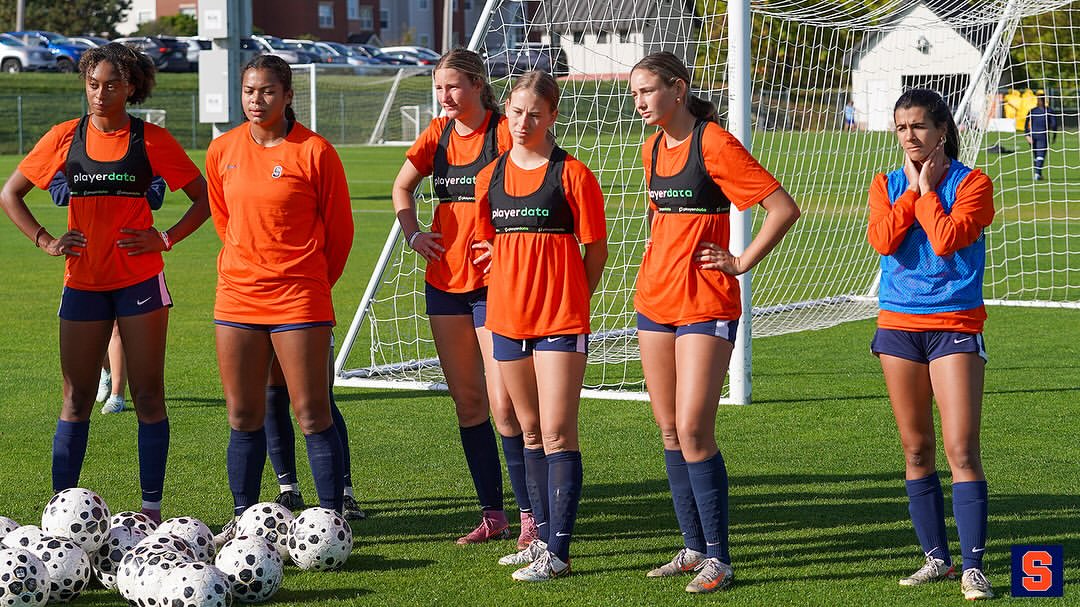
For Syracuse, the integration started with something simple but powerful: daily wellness surveys built directly into the PlayerData app.

Each morning, athletes submit check-ins on sleep quality, stress, soreness, and nutrition. Coaches review the data before training even begins.

“Sometimes players don’t want to text us directly about what’s going on,” Zaroyan explained. “This lets them quietly flag how they’re feeling. It’s personal, private, and consistent.”

That same app also provides real-time feedback to players, not just coaches. For the first time, Syracuse athletes could see—and understand—their own workloads.

“We made sure to teach them the ‘why’ behind the numbers,” Zaroyan said. “When players understand what those metrics mean, they buy in.”

A Simpler, Smarter System

Zaroyan compared PlayerData’s usability to the difference between an iPhone and an Android.

“It’s clean, intuitive, and easy to use,” he said. “Other systems overwhelm you with 40 different metrics—it’s like reading a complicated dinner menu. PlayerData focuses on the six that matter most, so players actually comprehend it.”

That clarity has translated into stronger communication, faster decisions, and better performance management. Even when Syracuse trains indoors for much of the year—a major challenge for GPS systems—the PlayerData team worked directly with the program to refine an indoor-tracking solution.

“We were one of six programs in the world helping them test the indoor system,” Zaroyan said. “Kevin drove up to troubleshoot, and the Scotland team called to check data. It felt like they cared about us, not just the product.”

Turning Data into Decisions

Using PlayerData metrics, Syracuse re-engineered its approach to periodization and recovery. The staff worked backward from their desired late-season performance goals, mapping workload peaks and valleys.

The result was a living model for smarter training.

“We use PlayerData’s data to feed our Power BI dashboards and ACR graphs,” Zaroyan explained. “When a session runs hot, we know instantly. I can text our head coach mid-training: ‘We’re trending high—let’s pull back.’”

That real-time adaptability was backed by PlayerData’s human support.

“Buddy and Kevin would text us during sessions: ‘You’re looking great right now,’ or ‘Keep that intensity steady.’ That level of personal attention is unheard of.”

Early Intervention and Injury Prevention

Perhaps the most impactful change was Syracuse’s ability to catch fatigue before it became injury.

“PlayerData helped us identify when a player’s sprint metrics dropped below their normal,” Zaroyan said. “If someone’s not hitting their usual speed, that’s our early warning. We can pull them before anything happens.”

He described a player whose performance dipped midway through matches. By cross-referencing PlayerData metrics, surveys, and workloads, the staff uncovered a developing injury—before the athlete even admitted it.

“That moment alone justified the system,” Zaroyan said. “We could sub proactively, not reactively.”
The Power of Partnership

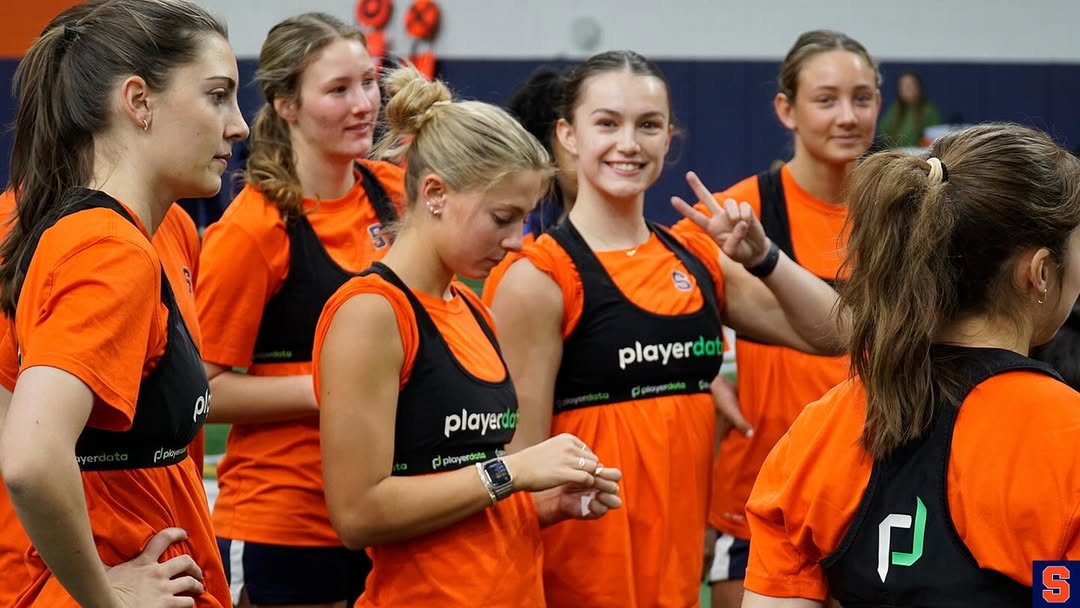
Behind Syracuse’s 24-month injury-free run is a blend of data and dialogue.

Zaroyan credits the collaboration between coaches, sports performance staff, and PlayerData’s team—especially their willingness to personalize solutions.

“They didn’t just hand us a dashboard and disappear,” he said. “They built with us. They texted during sessions. They made sure what we were doing was sustainable.”

That support extends beyond technology—it’s relational.

“We’re not just customers. They know our players, they know our setup, and they help us stay proactive.”

Beyond the Numbers

Zaroyan insists that PlayerData is just one slice of the performance “pie chart”—alongside nutrition, sleep, and communication—but it’s the piece that connects all others.

“The tech made us care about the human side again,” he said. “It gave us data to guide, but also reminded us we’re managing people, not numbers.”

Even amid Syracuse’s harsh winters and tight class schedules, the consistency of the PlayerData process has created a culture of awareness and balance.

“Availability is our biggest stat,” Zaroyan said. “Because if you’re fit, you can compete. PlayerData helped us make that happen.”

Looking Ahead

As the program prepares for another ACC campaign, the team’s mindset remains grounded: stay healthy, stay consistent, and keep growing.

“Numbers don’t lie,” Zaroyan said. “But they only matter when you understand what story they’re telling. PlayerData helps us tell that story—and it’s made all the difference.”

Interested in learning more about how PlayerData could help your club?

Submit your information below, and we'll reach out with more information.

Two Seasons, Zero Soft Tissue Injuries

December 17, 2025
Syracuse PlayerData

For the Syracuse University women’s soccer program, success isn’t just measured by goals or standings—it’s measured by availability. And for two straight seasons, that availability has been close to perfect: zero soft-tissue injuries since adopting PlayerData.

Assistant coach Alex Zaroyan says the transformation wasn’t about luck or superstition—it was about visibility, accountability, and connection.

“We were in an injury crisis,” Zaroyan recalled. “We needed to see what was actually happening with our players. PlayerData gave us that visibility—and gave our athletes ownership of their health.”

From Crisis to Clarity

When Zaroyan joined Syracuse ahead of the 2023 season, the program was battling recurring injuries and uncertainty about training loads. The staff evaluated several GPS platforms, but most felt either too expensive, too complex, or too impersonal.

PlayerData immediately stood out for its accessibility, service, and human connection.

“The pricing was competitive, but what really separated them was the support,” Zaroyan said. “Kevin drove from Philly to campus multiple times just to walk us through the system. And Buddy, their sports performance lead, wasn’t just an expert—he actually understood soccer.”

Before PlayerData, Syracuse had worked with other GPS providers. Communication was slow, and service felt distant.

“It was like dealing with a normal company,” Zaroyan said. “Email after email, no faces, no real partnership. PlayerData felt completely different.”

Building Daily Accountability

For Syracuse, the integration started with something simple but powerful: daily wellness surveys built directly into the PlayerData app.

Each morning, athletes submit check-ins on sleep quality, stress, soreness, and nutrition. Coaches review the data before training even begins.

“Sometimes players don’t want to text us directly about what’s going on,” Zaroyan explained. “This lets them quietly flag how they’re feeling. It’s personal, private, and consistent.”

That same app also provides real-time feedback to players, not just coaches. For the first time, Syracuse athletes could see—and understand—their own workloads.

“We made sure to teach them the ‘why’ behind the numbers,” Zaroyan said. “When players understand what those metrics mean, they buy in.”

A Simpler, Smarter System

Zaroyan compared PlayerData’s usability to the difference between an iPhone and an Android.

“It’s clean, intuitive, and easy to use,” he said. “Other systems overwhelm you with 40 different metrics—it’s like reading a complicated dinner menu. PlayerData focuses on the six that matter most, so players actually comprehend it.”

That clarity has translated into stronger communication, faster decisions, and better performance management. Even when Syracuse trains indoors for much of the year—a major challenge for GPS systems—the PlayerData team worked directly with the program to refine an indoor-tracking solution.

“We were one of six programs in the world helping them test the indoor system,” Zaroyan said. “Kevin drove up to troubleshoot, and the Scotland team called to check data. It felt like they cared about us, not just the product.”

Turning Data into Decisions

Using PlayerData metrics, Syracuse re-engineered its approach to periodization and recovery. The staff worked backward from their desired late-season performance goals, mapping workload peaks and valleys.

The result was a living model for smarter training.

“We use PlayerData’s data to feed our Power BI dashboards and ACR graphs,” Zaroyan explained. “When a session runs hot, we know instantly. I can text our head coach mid-training: ‘We’re trending high—let’s pull back.’”

That real-time adaptability was backed by PlayerData’s human support.

“Buddy and Kevin would text us during sessions: ‘You’re looking great right now,’ or ‘Keep that intensity steady.’ That level of personal attention is unheard of.”

Early Intervention and Injury Prevention

Perhaps the most impactful change was Syracuse’s ability to catch fatigue before it became injury.

“PlayerData helped us identify when a player’s sprint metrics dropped below their normal,” Zaroyan said. “If someone’s not hitting their usual speed, that’s our early warning. We can pull them before anything happens.”

He described a player whose performance dipped midway through matches. By cross-referencing PlayerData metrics, surveys, and workloads, the staff uncovered a developing injury—before the athlete even admitted it.

“That moment alone justified the system,” Zaroyan said. “We could sub proactively, not reactively.”

The Power of Partnership

Behind Syracuse’s 24-month injury-free run is a blend of data and dialogue.

Zaroyan credits the collaboration between coaches, sports performance staff, and PlayerData’s team—especially their willingness to personalize solutions.

“They didn’t just hand us a dashboard and disappear,” he said. “They built with us. They texted during sessions. They made sure what we were doing was sustainable.”

That support extends beyond technology—it’s relational.

“We’re not just customers. They know our players, they know our setup, and they help us stay proactive.”

Beyond the Numbers

Zaroyan insists that PlayerData is just one slice of the performance “pie chart”—alongside nutrition, sleep, and communication—but it’s the piece that connects all others.

“The tech made us care about the human side again,” he said. “It gave us data to guide, but also reminded us we’re managing people, not numbers.”

Even amid Syracuse’s harsh winters and tight class schedules, the consistency of the PlayerData process has created a culture of awareness and balance.

“Availability is our biggest stat,” Zaroyan said. “Because if you’re fit, you can compete. PlayerData helped us make that happen.”

Looking Ahead

As the program prepares for another ACC campaign, the team’s mindset remains grounded: stay healthy, stay consistent, and keep growing.

“Numbers don’t lie,” Zaroyan said. “But they only matter when you understand what story they’re telling. PlayerData helps us tell that story—and it’s made all the difference.”

Interested in learning more about how PlayerData could help your club?

Submit your information below, and we'll reach out with more information.