Eduardo Jimenez grew up between two worlds. Born in Puerto Rico, raised in Miami by a Puerto Rican mother and a Mexican father, a soccer ball was part of his life before he had a say in the matter. Now, as Sporting Director of the Puerto Rico Soccer Federation, he’s helping shape something that didn’t exist when he was growing up: a Puerto Rican soccer system that’s building toward global relevance.
"We call this generation of Puerto Rican players the golden generation," Jimenez says. "Our U17 women’s team just qualified for the first World Cup in the island’s history. And for the men’s senior team, it's been the first group of players we've had that have been able to go from U15 to U17 to U20 and to the senior team. Currently on this squad, we have the most players ever that have made that trajectory."
That’s not a coincidence. It’s the result of deliberate investment in the infrastructure that player development requires.
A Country Changing Its Sporting Identity
For most of its history, Puerto Rico has been known for baseball. Boxing. Basketball. Soccer was always present but rarely the headline. But now, those tides are changing.
"Now, you're starting to see quite a shift as we start to become a federation known for actually having good soccer teams," Jimenez says. "The sports science part of it comes at a young age in the sense of development, and then when they're already professionals, it's about making sure we can elevate their level."
The ambition is clear. Puerto Rico wants to compete with and beat the top CONCACAF nations at all levels: the United States, Mexico, Canada, Costa Rica, Honduras. Closing that gap requires every advantage available, on and off the field.
From Training in the Blind to Training on Data
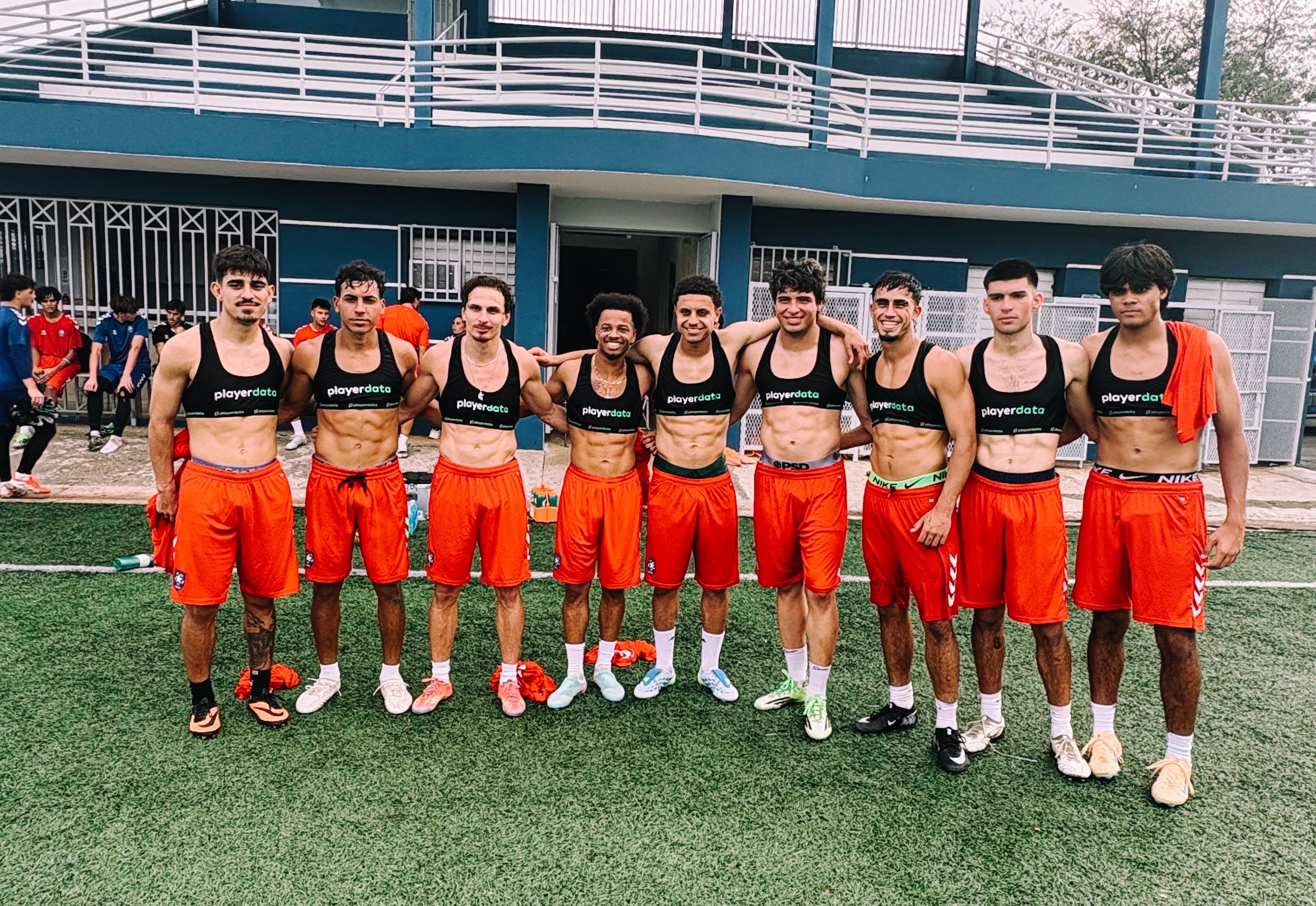
Juan O'Neill has been part of the golden generation since the beginning. He has experienced firsthand what it felt like before the data and what it feels like now.
"I remember a time where it was just training in the blind," he says. "Training until your body cracks down, to your breaking point. But now it's more science-driven and based on numbers you can actually see, and then it makes sense in your head. It's been great to push each of us personally in reaching our best individual potential."
Jose Puga is the federation's performance coach and the person responsible for making the data work in practice. His assessment of PlayerData is direct.
"Compared to other GPS companies, I think this is the most user-friendly that I've ever experienced," Puga says.
After every session and every game, metrics go out to the players. Speed. Distance covered. Accelerations. Decelerations. High speed running. The numbers are helpful. And, while they aren’t intended to create internal competition, they do.
"If I'm a player and I'm maybe not a starter and I'm looking into this data and I'm seeing that the players that are starting all have metrics that are here, that's only going to enhance my motivation," Jimenez says.
For Puga, the live data capability opens something even more valuable: the ability to make adjustments in the moment. "Having that information available, having that guide positionally and individually, telling us where we want you to be, it’s really important."

What the Technology Signals
One of the most powerful things Jimenez said was not about metrics. It was about what the technology communicates to the players.
"Almost every professional team now is using some sort of GPS tracking. It's exciting to see that my national team is using the same technology that the United States national team is using, that pro teams in Europe are using, that pro teams in South America are using. It changes the chip a little bit mentally. It's like, ‘man, this is for real.’"
The tech tells players that their federation takes them seriously.
Building Trust Between Club and Country
GPS data is also becoming a bridge between the federation and the professional clubs where Puerto Rico's players spend most of their year. Most federations know far too little about the physical state of their players when they arrive to camp. PlayerData is helping Puerto Rico close that gap.
"Being able to have that relationship with professional clubs of sharing information only builds the trust between the clubs and us as a federation," Jimenez says. "At the end of the day, our strongest asset is our players."

Bigger Than The Game
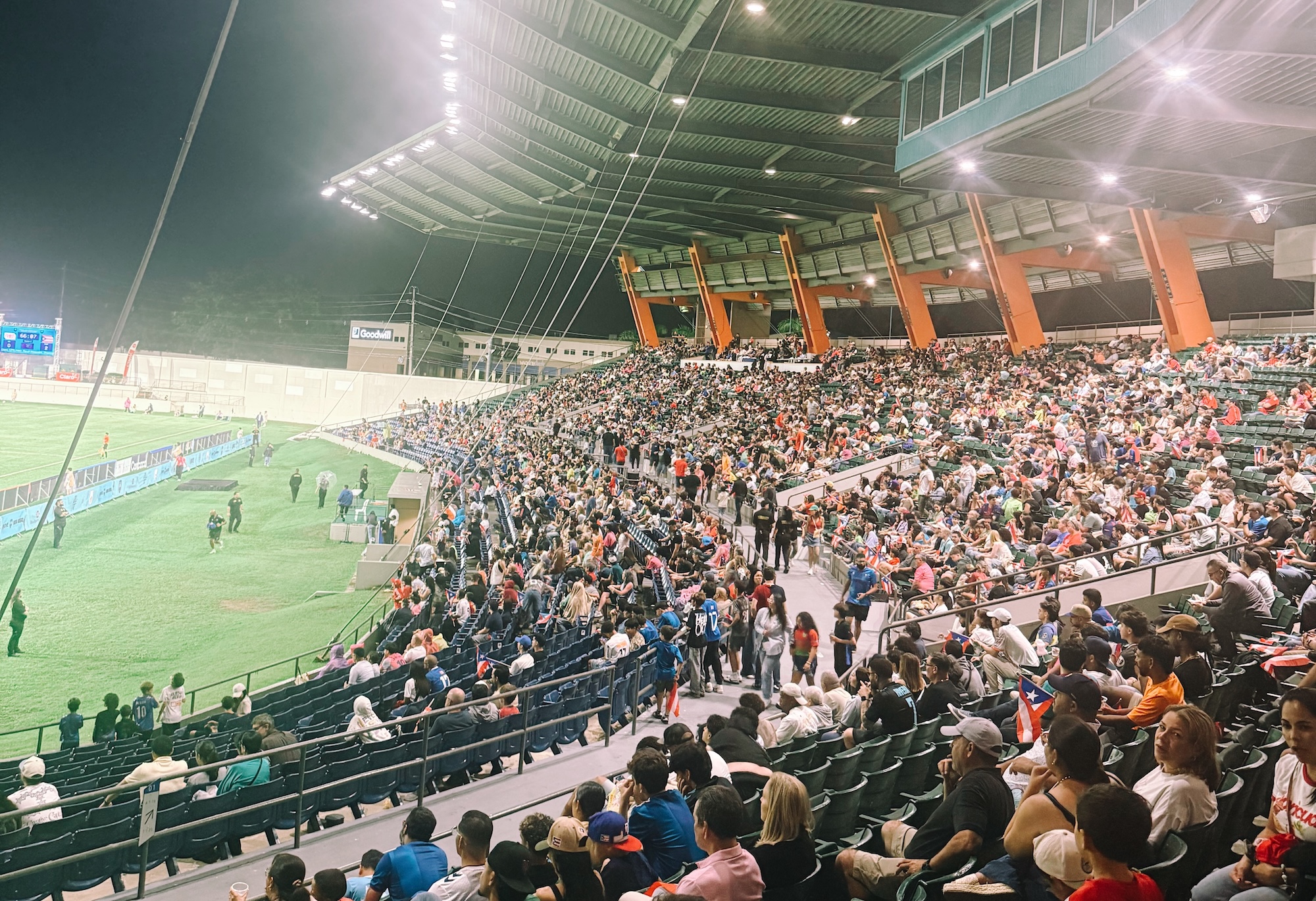
Ask anyone connected to this squad what qualifying for the World Cup would mean and the answers stop being about sport.
O'Neill describes a player-only group chat. No coaches. No staff. Just the squad holding each other to a standard.
"We want to give Puerto Rico something to cheer for and a team to be proud of. We feel like we owe Puerto Rico a big tournament."
He pauses before his most honest answer.
"I remember a boxing match where there were no deaths that day. No crime that day. Because everyone was watching Puerto Rico come together. That's all we want. Having a day like that of just pure celebration, it would mean the world to us and to the country. And I think the country deserves that."
Puga connects the long view. Qualification would not just be a result. It would reshape the pipeline for the next generation of Puerto Rican players.
And Jimenez allows himself the vision he doesn’t often say out loud.
"If I were to share what my dream vision for this federation would be in ten to fifteen years, it would be to be the head coach of the Puerto Rican national team in the first ever men's World Cup."
The golden generation has a window. The data is helping them use it.
Ready to see what PlayerData can do for your club?
Whether you're building out an academy, managing a federation, or looking for a platform that serves every level of your organization, we'd love to show you what's possible.
Submit your information below to book a demo. We're ready when you are.